 Lauren
 Why Walking Ancient Routes Is Worth It: The Benefits of Experiencing History on Foot
There’s something different about walking a path that thousands—or even millions—of people have walked before you.
Ancient routes aren’t simply hiking trails or tourist attractions. They’re living pieces of history that allow you to experience places in ways museums, guidebooks, and documentaries simply can’t replicate.
Whether you’re exploring mountain passes, ancient pilgrimage routes, or centuries-old pathways carved into landscapes, walking these routes creates a connection between past and present that feels surprisingly personal.
In a world where travel often revolves around rushed itineraries and crowded attractions, walking historical routes offers something different: perspective. Here’s why Why Walking Ancient Routes Is Worth It.
Walking Ancient Routes Connect You to Real History
One of the biggest reasons walking ancient routes is worth it is because history suddenly stops feeling distant.
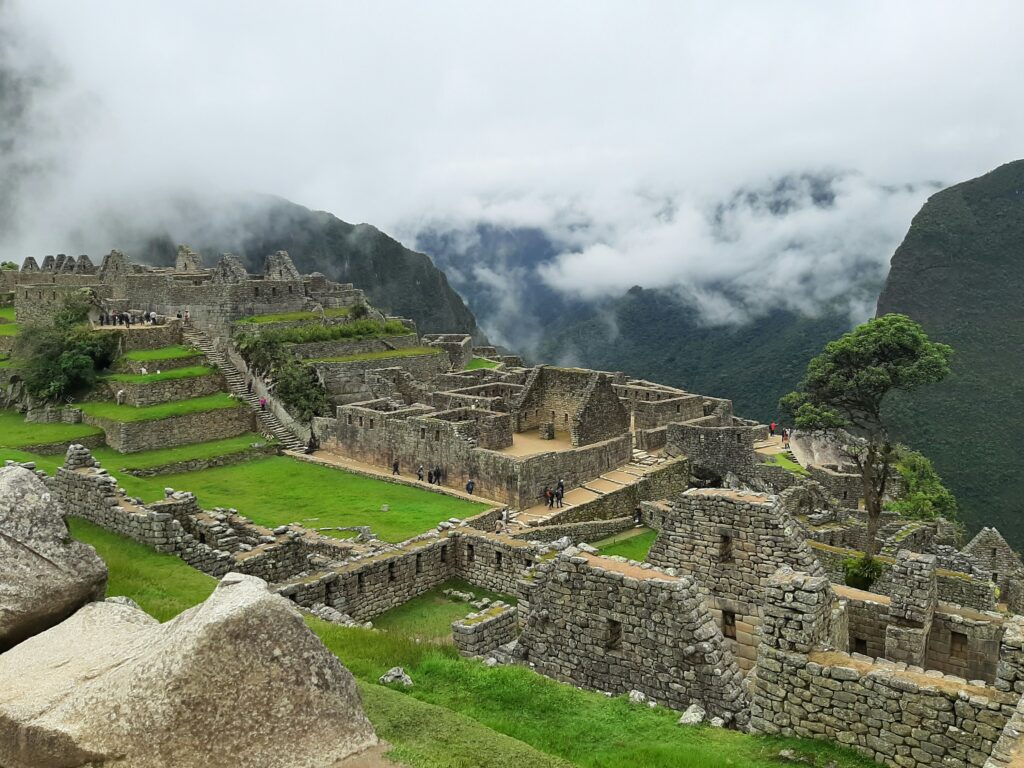
Reading about ancient civilizations and actually walking the same paths they once traveled are completely different experiences. After obtaining something like Inca Trail permits for a tour you won’t soon forget, the historical narratives of the past come to life in ways that can bridge centuries and even millennia of human experience.
When you walk historical routes, you start realizing:
- Traders once carried goods across these same pathways
- Pilgrims completed religious journeys here
- Soldiers marched these roads centuries ago
- Entire civilizations relied on these routes to survive
Places that once felt like stories in textbooks suddenly become real.
Whether you’re trekking famous mountain routes or exploring historical pilgrimage paths, physically moving through these spaces creates a much deeper connection to the past.
You stop observing history—and begin experiencing it.
Historical Walking Routes Create More Authentic Cultural Experiences
One of the most underrated parts of historical walking routes is how connected they make you feel to local communities.
Many ancient routes pass through small villages and communities that still preserve traditions, food, and ways of life shaped by generations before them.
Unlike larger tourist destinations, walking routes often give travelers opportunities to:
- Meet local guides and families
- Support smaller businesses
- Experience regional foods
- Learn traditions directly from locals
- Explore places beyond typical tourist hotspots
This creates a much more personal travel experience.
You’re not simply visiting a destination—you become part of its rhythm, even temporarily.
Walking Ancient Routes Reveals Landscapes You Would Otherwise Miss
Another reason walking ancient routes is worth it is because walking forces you to experience landscapes differently.
Ancient routes often exist because geography once determined how humans moved through the world. Because of this, these paths frequently cross incredibly varied environments. Walking through some of the world’s sunken paths, ancient forests and mesmerizing plateaus can be surprisingly different as microclimates change.
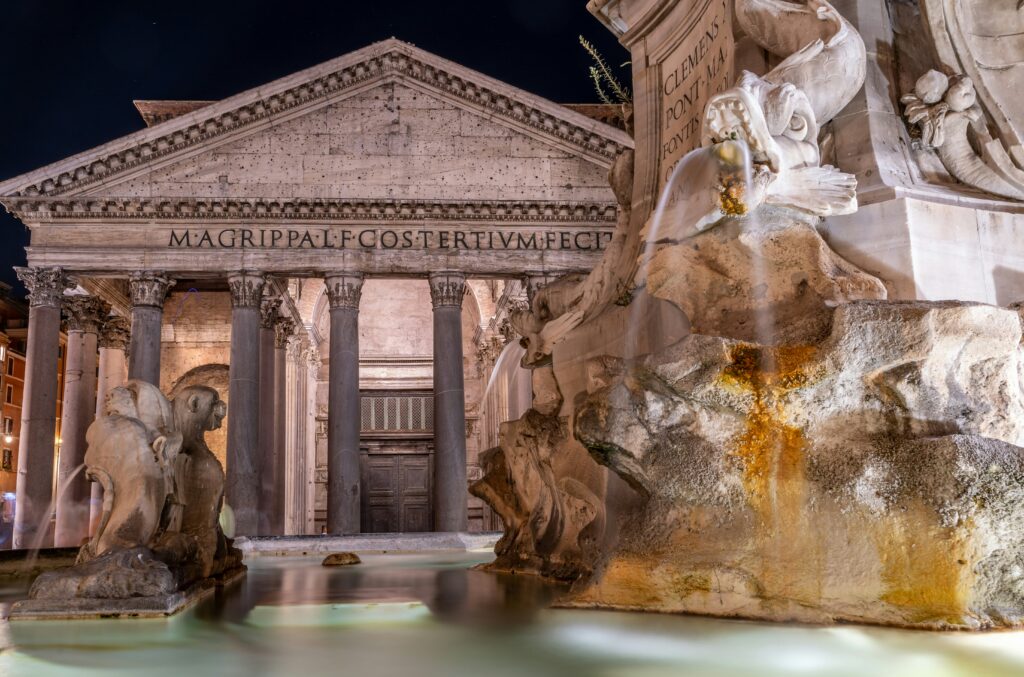
For example, the breezes through an acropolis in Athens can drop the feeling of warmth by up to 6°C, similar to some of the more unique walking tours in Rome and other ancient cities.
You may encounter:
- Forest pathways
- Mountain passes
- River valleys
- Ancient cities
- Plateaus and coastal routes
- Hidden ruins
Walking also makes you notice something many travelers overlook: microclimates.
Temperatures can shift dramatically depending on elevation, shade, wind, or terrain. Ancient cities, forests, and elevated routes often feel completely different from surrounding areas.
When moving slowly, you notice these changes.
You notice the smells.
The sounds.
The wildlife.
The small environmental details that disappear when traveling quickly.
Walking transforms scenery into an experience.
Ancient Routes Encourage Slower, More Mindful Travel
Modern travel can sometimes feel exhausting.
Many vacations revolve around maximizing time, rushing between attractions, and trying to fit everything into a few days.
Walking ancient routes naturally encourages something different.
One unexpected benefit is mindfulness.
Long walks force you to:
- Slow down
- Pay attention to your surroundings
- Spend less time on your phone
- Notice how your body feels
- Become more present
This is one reason slow travel has become increasingly popular.
Historical walking routes naturally create moments of reflection because there’s nothing else to do except walk, observe, and think.
Many travelers describe these experiences as surprisingly meditative.
Sometimes the slow pace becomes the most valuable part.
Walking Creates a More Sensory Travel Experience
Traditional sightseeing often creates distance.
You see a monument, take photos, and move on.
Walking creates something more immersive.
When exploring historical routes, you experience:
- The texture of old pathways
- Changes in weather and temperature
- Sounds of villages and nature
- Smells from forests, markets, or local homes
- The physical effort required to move through landscapes
Walking also helps explain something many people overlook:
Geography shaped history.
Communities formed where resources existed.
Trade routes developed because certain paths were easier.
Defensive structures were built where terrain allowed.
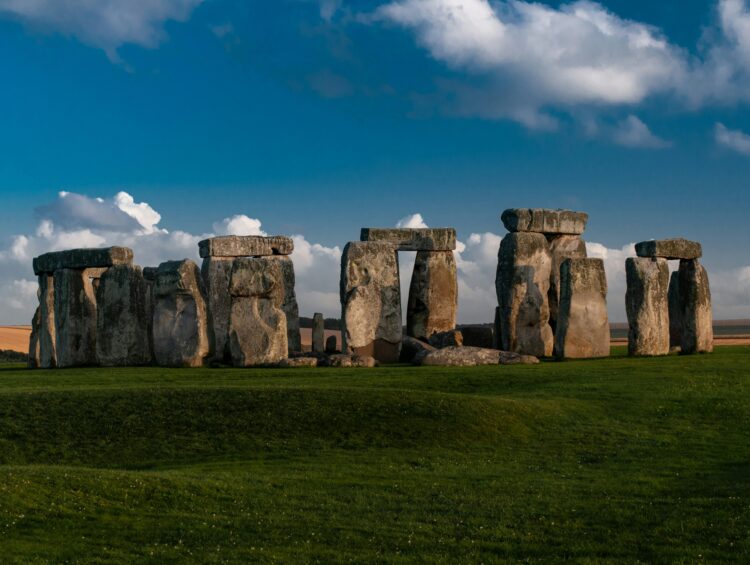
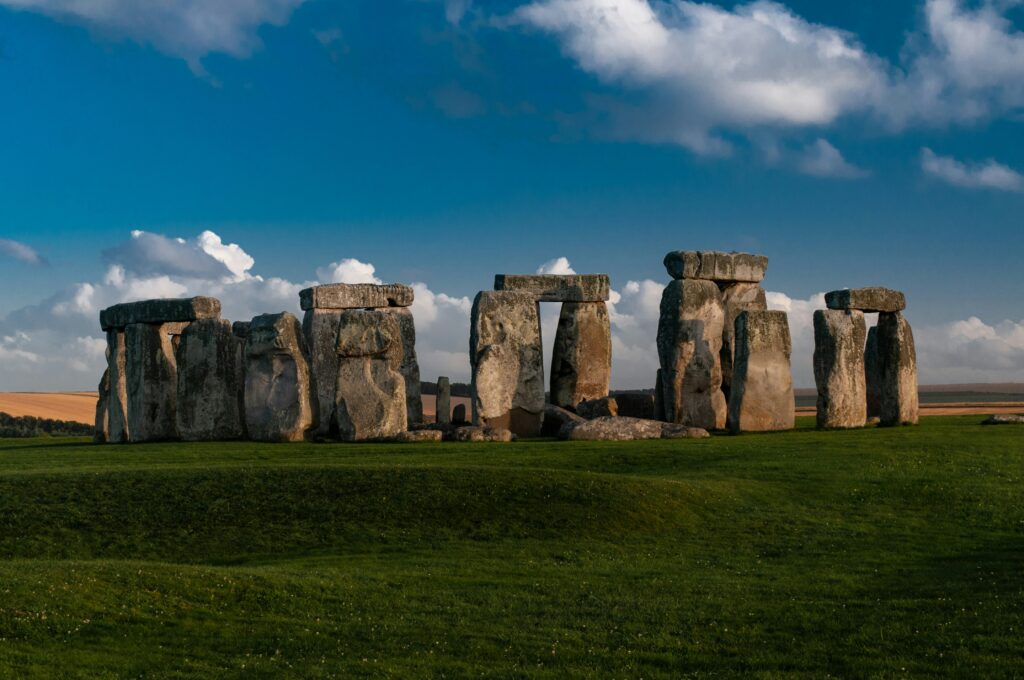
Walking these environments makes these historical decisions easier to understand because you’re physically experiencing them yourself. Visiting heritage sites for observation is popular, but you can’t really get too close to most of them. For example, Stonehenge is closed off to the public, so you can’t experience it up close and personal. However, if you want more environmental history, walking ancient routes can help reveal to you how the local geography formed not only the landscape but also dictated how people had to live culturally, such as early Britons creating burial mounds across the UK.
Why Walking Ancient Routes Is Worth It for More Meaningful Travel
One reason these experiences stay with people long after trips end is because they require participation.
You’re not simply looking at history.
You’re moving through it.
That creates stronger memories.
You remember:
- The difficult climbs
- The weather changes
- Conversations with locals
- The feeling of reaching destinations on foot
- The landscapes between attractions
And often, those moments become more memorable than the landmarks themselves.
Final Thoughts: Why Walking Ancient Routes Is Worth It
The benefits of walking ancient routes go far beyond sightseeing.
These experiences connect travelers to history, culture, landscapes, and themselves in ways that faster forms of travel rarely can.
They encourage slower travel, deeper understanding, and more meaningful experiences.
Most importantly, they remind us that not every destination is meant to be rushed.
Some places are meant to be walked.
And sometimes, the journey itself becomes the reason you remember the trip forever.